How to Choose Low-Light Indoor Plants for North-Facing UK Flats

North-facing rooms have a reputation problem. Cool in summer, gloomy in winter, and lit — when they're lit at all — by flat, indirect light bounced off a neighbouring wall. If your flat's main room looks out over a shaded courtyard or the back of another building, you've probably been told houseplants simply aren't for you. They are, but only if you choose the right ones and then change how you look after them.
Two things decide almost everything: how much light actually reaches the spot, and how much water you give it. The second matters more than most people expect.
Start by Reading the Room
Before buying anything, spend a day noticing the light. Check the same corner mid-morning, mid-afternoon and around four o'clock in winter, and ask a few plain questions.
- Can you read without a lamp? If yes, most shade-tolerant plants will manage.
- Can you see open sky? A north window facing sky is far brighter than one looking at a wall a few metres away.
- How far from the glass is the spot? Light falls off quickly. A plant on the sill and the same plant two metres back are living in different rooms.
- What else does the room do? A north bathroom with a shower is dark and humid; a living room with the radiator under the sill is dark and dry. Plants cope with one difficult condition far better than two.
If you can't read without a lamp mid-afternoon, treat the spot as deep shade. That doesn't rule out plants, but it narrows the list to the toughest few. If you can read comfortably, you have more options than you think.
Signs Your Plant Is Getting Too Much or Too Little Light
Even shade-tolerant plants have limits. Watch for these signals and adjust.
- Too little light: new growth is pale, small, and leggy; leaves yellow and drop; variegated patterns fade to plain green. The plant is stretching toward any available light.
- Too much light: leaves develop brown, crispy patches, especially on the side facing the window. North-facing rooms rarely cause this, but a plant placed right against the glass in summer can still scorch.
- Just right: growth is slow but steady, leaf colour is rich, and the plant holds its shape without leaning.
Plants That Genuinely Cope With Shade
These are the reliable ones — they'll sit in a north-facing room, grow slowly, and not punish you for it.
- Snake plant (Dracaena trifasciata, still widely sold as Sansevieria). Thick leaves store water, so it forgives missed waterings and dry air.
- ZZ plant (Zamioculcas zamiifolia). Glossy, upright and slow-growing, and it doesn't mind being pot-bound.
- Cast iron plant (Aspidistra elatior). A Victorian favourite for exactly this reason — happy in hallways and corners where little else survives.
- Pothos (Epipremnum aureum). Also sold as devil's ivy. It trails happily from a shelf or mantelpiece and will tell you when it's thirsty by drooping slightly.
- Heartleaf philodendron (Philodendron hederaceum). Similar trailing habit, slightly finer leaves, equally forgiving.
- Peace lily (Spathiphyllum). It flowers even in low light, though you'll get more blooms near a window. It droops dramatically when dry and recovers within hours of a drink.
- Spider plant (Chlorophytum comosum). Nearly indestructible, and it produces baby plants you can pot on.
- Dracaena varieties such as Dracaena marginata or Dracaena fragrans. Slow-growing, architectural, and tolerant of the dry air that comes with central heating.
Notice a pattern: most of these have thick leaves, waxy coatings, or water-storing roots. That's not a coincidence. Plants that evolved in the understory of tropical forests are used to filtering what little light reaches them, and they've adapted to survive long dry spells too.
What to Avoid in a North-Facing Flat
Some plants are sold as "low light" but will still struggle. Be wary of:
- Succulents and cacti — most need bright, direct sun to stay compact. They'll stretch and weaken in a north room.
- Ficus varieties like weeping fig — they drop leaves at the slightest change and hate dark corners.
- Flowering plants such as orchids (except some Phalaenopsis) and African violets — they need more light to bloom than a north window usually provides.
- Herbs like basil, rosemary and thyme — they want a sunny kitchen windowsill, not a shaded living room.
If you already own one of these, don't panic. Move it to your brightest spot — even a north room has a brightest corner — and consider a grow light if you want it to thrive.
Watering Is the Real Test
Here's the uncomfortable truth: more houseplants die from overwatering in low light than from drought. In a north-facing room, the soil dries out far more slowly than it would on a sunny south windowsill. If you water on a fixed weekly schedule, you'll drown them.
Instead, learn to check the soil. Push a finger in up to the second knuckle. If it feels damp, wait. If it's dry, water — but only until it runs out of the drainage holes, then empty the saucer. In winter, most of these plants need water only every two to four weeks, sometimes less.
Think of watering as a conversation, not a calendar. The plant tells you what it needs; your job is to notice.
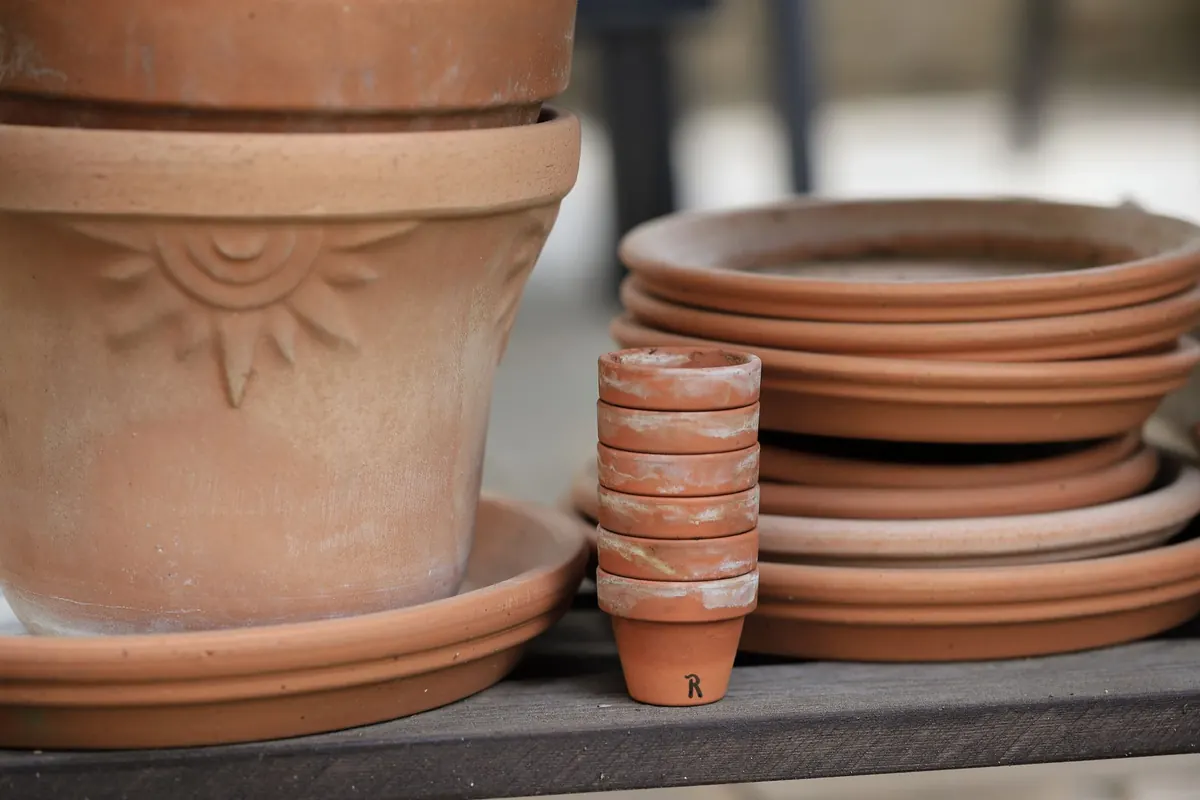
Two other factors matter: pot size and compost. A plant in a pot that's too big sits in wet soil for weeks. Keep them slightly pot-bound, and use a free-draining mix — add perlite or orchid bark to standard compost if you're repotting.
Small Adjustments That Make a Big Difference
You can't change the direction your flat faces, but you can change nearly everything else.
- Move plants closer to the window. Even 30 centimetres can double the light a plant receives. Rotate them weekly so they grow evenly.
- Clean the glass and the leaves. Dust on a windowsill or a leaf blocks light. A quick wipe with a damp cloth every few weeks helps more than you'd think.
- Use a mirror or a white wall. Placing a mirror opposite the window, or simply painting the wall a light colour, bounces light back onto the plant.
- Add a simple LED grow light. You don't need a professional setup. A small clip-on full-spectrum bulb for six to eight hours a day can transform a dark corner.
- Group plants together. They create a microclimate with slightly higher humidity, which helps in centrally heated flats.
A Simple Shopping Checklist
When you're standing in the shop or nursery, run through this list:
- Does the label actually say "low light" or "shade tolerant"? Ignore "easy care" alone.
- Are the leaves thick, waxy, or leathery? Those are good signs.
- Does the pot have drainage holes? If not, buy a cachepot and keep the nursery pot inside it.
- Is the plant already leggy or yellowing? Walk away — it's been in poor conditions too long.
- Can you commit to checking the soil weekly rather than watering on autopilot? If yes, you're ready.
North-facing flats aren't a plant-free zone. They're just a different kind of challenge. Choose tough, forgiving species, water less than you think, and make small adjustments to squeeze the most from the light you have. Do that, and your gloomy corner will quietly become the greenest part of the flat.
Photo: martieda / Pixabay