Small Space Plant Decor Ideas for Rented Flats Without Drilling
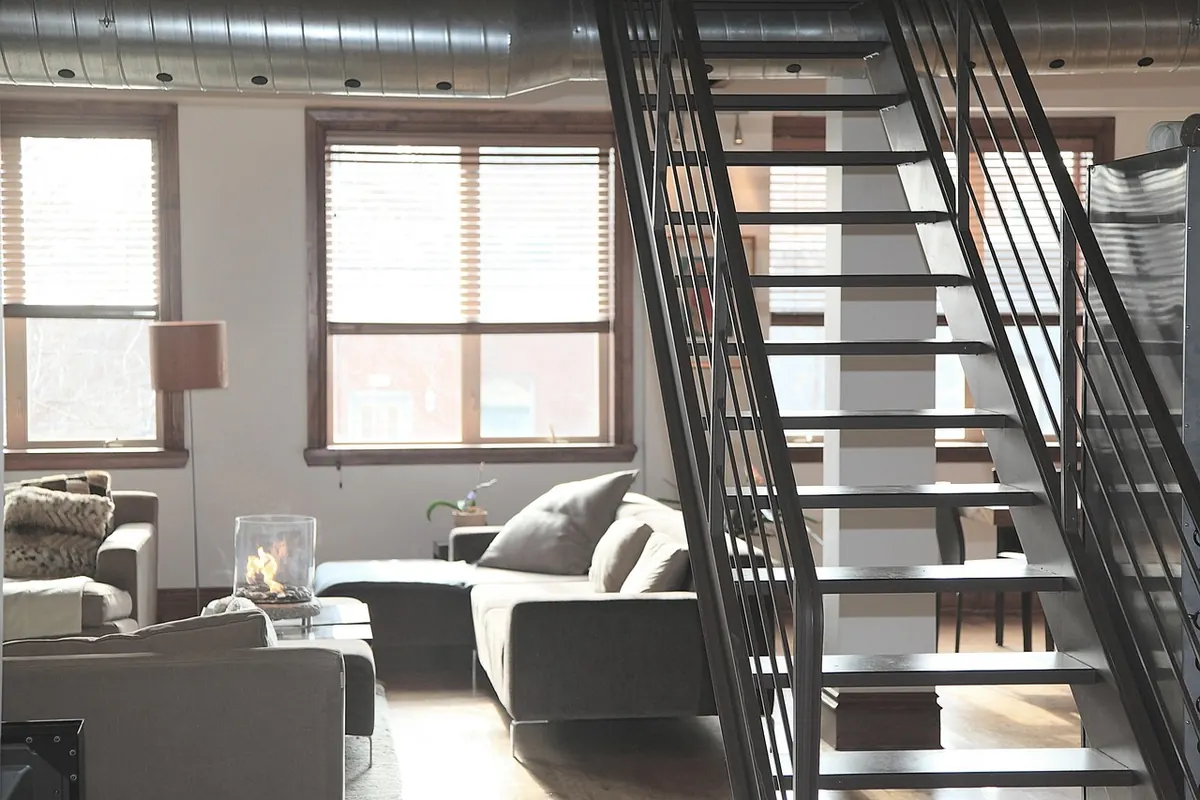
Renting a flat usually means two things: not much floor space, and a landlord who would rather you did not put holes in the walls. Neither has to stop you filling the place with plants. With a freestanding shelf, a couple of tension rods and a packet of removable adhesive hooks, you can build a proper green corner in an afternoon — and take the whole thing with you when you move.
Start with the surfaces you already have
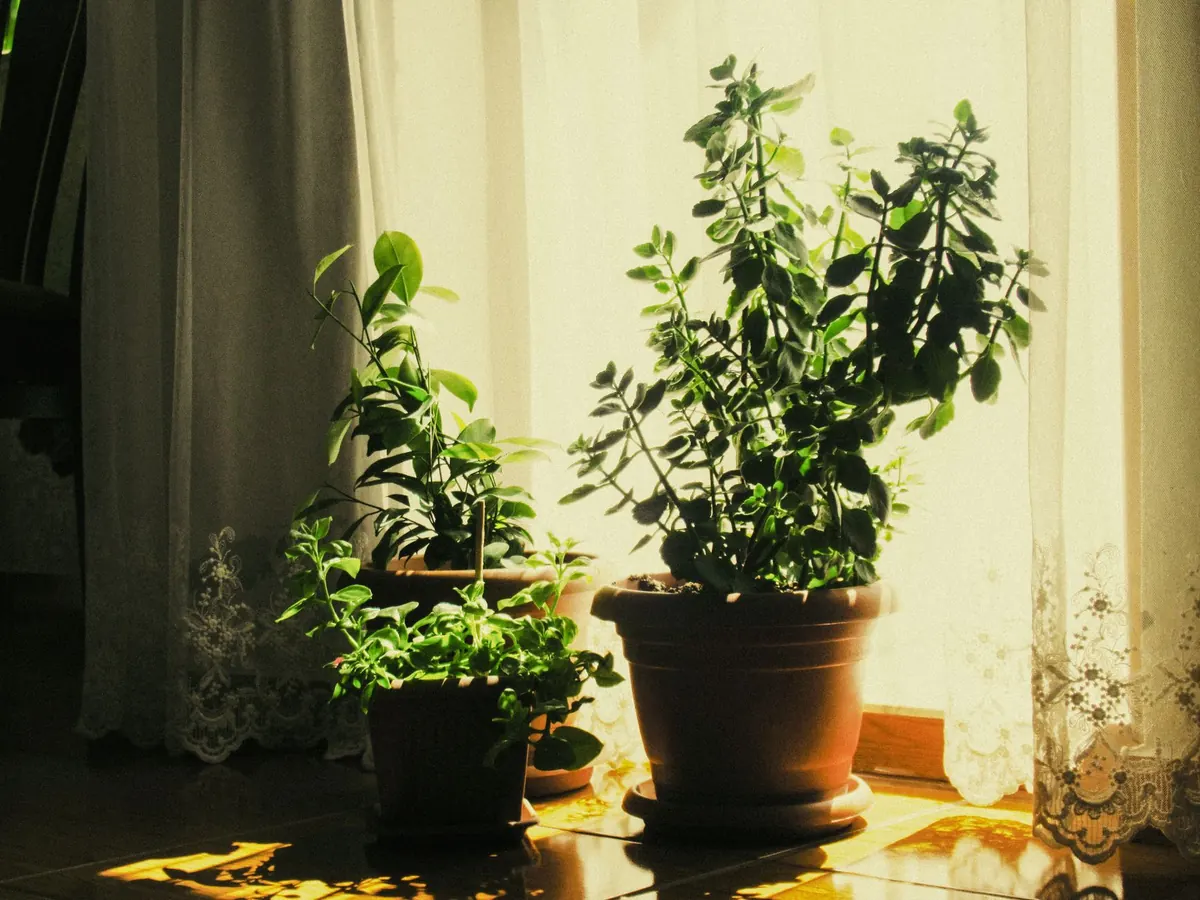
Before you buy anything, walk around the flat and note the surfaces that will take weight without a drill. Window reveals are the obvious one, but look too at the gap between a chimney breast and the adjacent wall, the top of a kitchen cupboard, the side panel of a wardrobe, tiled bathroom walls and any smooth painted plaster. These are the spots where a rented plant display can come together without a single hole.
Cupboard tops are worth a second look. They sit above radiator height, catch decent light in a kitchen, and stay well out of the way of daily life.
One sensible check first: read your tenancy agreement, and if anything is unclear about what counts as damage or fair wear and tear, ask your landlord or letting agent in writing. It takes five minutes and saves an awkward conversation later.
Freestanding shelves do most of the work
A shelf you own is a shelf you can take with you, which is why it should be the backbone of a rented plant setup. Choose pieces that are tall rather than deep — around 30 centimetres deep will hold a decent pot without eating into a hallway or making a small living room feel narrower.
A few formats that earn their floor space:
- Ladder shelves. Shallow, lean against a wall, and give you four or five staggered levels for trailing plants. Keep heavier pots low so it cannot tip.
- Tiered metal plant stands. Compact and foldable, and perfect in corners where a full shelf will not fit. Three or four pots in the footprint of one.
- A trolley on castors. A small kitchen trolley becomes a mobile plant stand. Wheel it to the window in the morning and back out of the way at night — and the castors protect your flooring.
- Cube units with fabric baskets. The baskets hide soil, a watering can, spare pots and the general mess that plant keeping creates.
Leave at least 60 to 70 centimetres of walkway around whatever you add. A room full of plants is lovely; a room you have to edge through sideways is not.
Tension rods: the quiet workhorse
A tension rod needs no fixings at all — it holds itself in place with pressure between two surfaces. In a rented flat, that makes it one of the most useful things you can own.
Where a tension rod works well
- Inside a window reveal, for a row of small hanging pots in front of the glass.
- Across an alcove beside a chimney breast, where a shelf would be too deep.
- Between a kitchen cupboard and the wall.
- Inside a shower recess, if you fancy humidity-loving plants such as ferns.
Choose a rod with rubber ends, which grip smooth painted surfaces far better than bare metal. Wipe the surfaces first and check the rod is rated for the weight you have in mind. Hanging planters are the sensible choice here, because a full pot of wet compost is heavy and a tension rod works on friction rather than fixings. If it slips when you test it, take weight off rather than tightening it until it marks the paint.
Adhesive hooks: how to make them stay put
Removable adhesive hooks have improved a great deal, but they still fail for the same few reasons: dust, damp, texture or impatience. Follow these steps and most of them will hold for years.
- Clean the wall with warm soapy water and let it dry completely. Skip freshly painted surfaces — new paint needs time to cure before anything is stuck to it.
- Pick the right surface. Smooth painted plaster, tiles, glass and melamine are ideal. Textured wallpaper, bare brick, woodchip and damp bathroom corners are not.
- Press the hook firmly for the full time stated on the pack, then leave it empty for the recommended period before hanging anything.
- Start with the lightest pot you own and give it a week. If it holds, step up gradually.
- To remove, pull the tab slowly downwards along the wall, never outwards. A hairdryer on a low setting can help a stubborn one release.
Weight is the part people underestimate. Water weighs roughly one kilogram per litre, so a two-litre pot is noticeably heavier straight after watering than it was when you hung it. Stay comfortably under the stated limit rather than right at it.
Choosing plants that suit a small, awkward space
Trailing plants give you the most green for the least footprint: devil's ivy, spider plants, tradescantia and string of hearts all cope well on a shelf or in a hanging pot and look better as they grow longer. For upright structure, snake plants, ZZ plants and haworthia are compact, tolerant of forgetful watering and happy in lower light. A kitchen windowsill of basil and mint is plant decor you can eat.
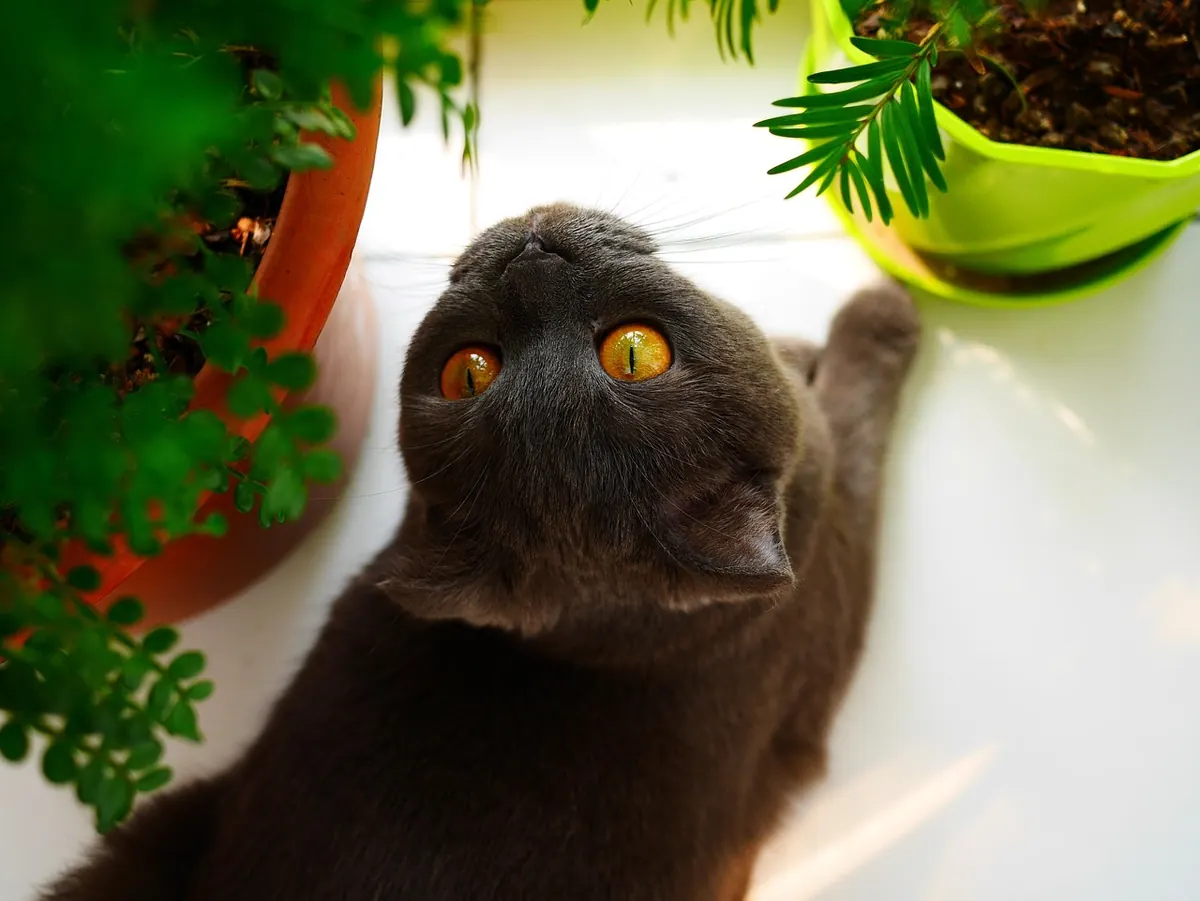
A note if you share your home with a cat or dog: several popular houseplants are toxic to animals if chewed, including some of those above. Check before you buy, and speak to your vet if you are unsure.
Layering height so the room feels bigger
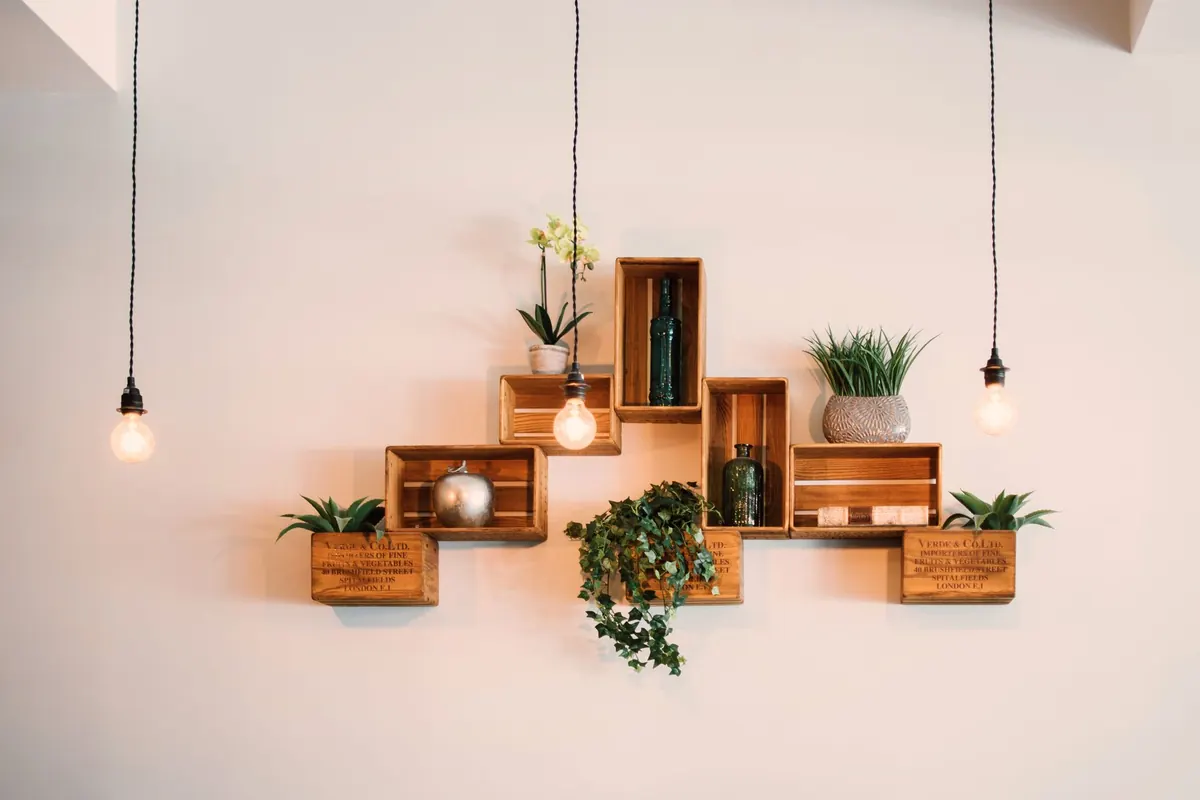
Plants look best in groups of odd numbers and at three different heights. Use what you already own as risers — a stack of two paperbacks, an upturned bowl, a wooden crate. Put tall plants behind, mid-sized ones beside, and let a trailing plant fall over the front edge. A small mirror behind a shelf doubles the greenery and bounces light into darker corners.
Rotate pots a quarter turn each week so growth stays even, and keep plants away from radiators, which dry the air and stress leaves. In a north-facing flat, be honest about light levels and lean towards the tough, low-light plants rather than watching a sun-lover fade.
Moving out: leaving the walls as you found them
The whole point of this approach is that it comes apart again. A few weeks before you move, start taking things down rather than leaving it to the last morning.
- Remove adhesive hooks using the tab, slowly, then clean any residue with warm soapy water or a purpose-made adhesive remover. Test on a hidden patch first.
- Check for pressure marks where tension rods sat. These usually fade, but a gentle clean helps.
- Photograph the walls as you empty each room — useful if there is any question later about the state of the flat.
- If your agreement is vague on what counts as damage, ask before you leave rather than after.
Then pack the shelves, the rods and the hooks in with everything else. The next flat, wherever it is, gets the same green corner started within a week — no drill, no permission, no fuss.
Photo: Life-Of-Pix / Pixabay